
What Equipment Is Used In Modern Film Production?
February 21, 2026
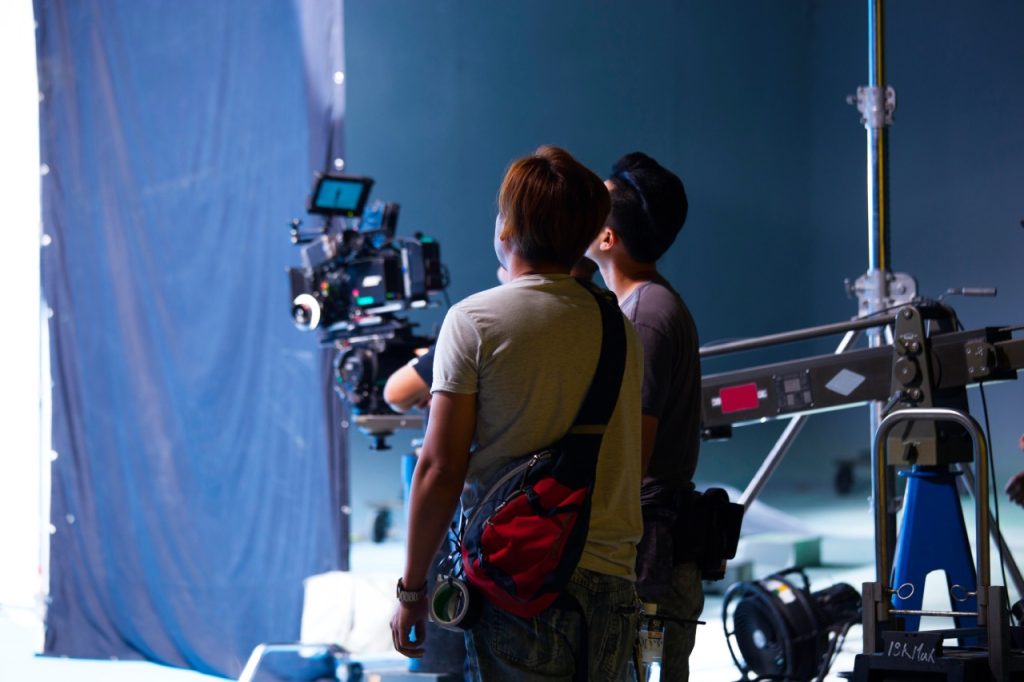
Modern film production is where creativity meets technology. Every cinematic moment you’ve ever experienced—whether it’s the emotional pull of a close-up or the grandeur of a sweeping landscape shot—comes down to the equipment used behind the scenes. These tools don’t just capture visuals and sound; they shape how stories are told and how audiences feel.
Today’s productions rely on an interconnected ecosystem of professional tools working in harmony. In growing creative areas like Shiloh Lake Estates, filmmakers now have access to the same high-level equipment once limited to major studios, allowing local productions to compete on a national level.
Let’s break down exactly what equipment is used in modern film production—and why each piece matters more than you might think.
Introduction to Modern Film Production Technology
Modern film production technology functions like a well-rehearsed orchestra. Each component—cameras, lenses, lighting, sound, and software—plays a distinct role. When one element is off, the entire production feels unbalanced.
What makes today’s technology remarkable is how much control it gives filmmakers. You can preview shots instantly, adjust lighting color with precision, and capture clean audio even in challenging environments. Instead of working around limitations, filmmakers now work through possibilities.
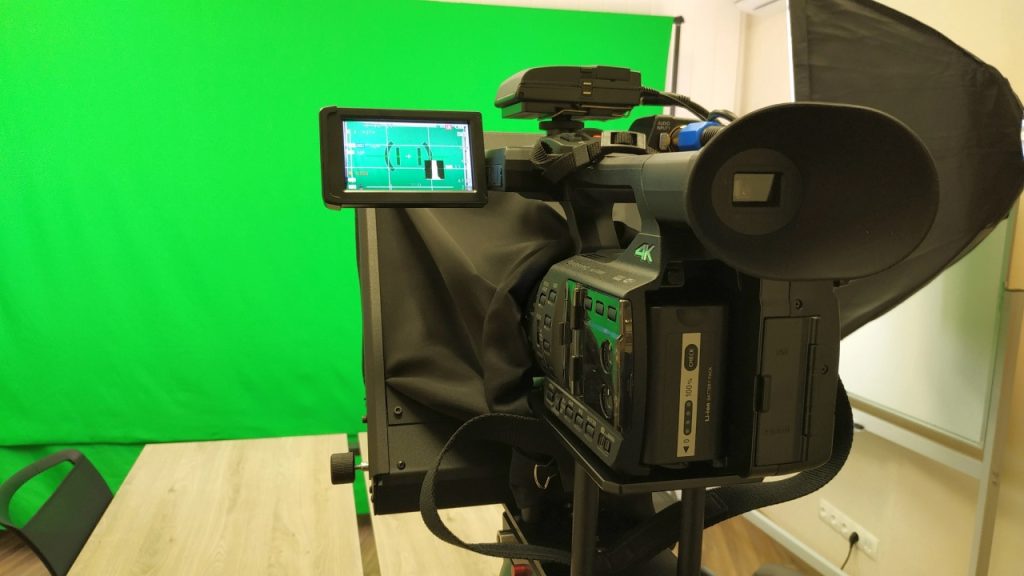
The Evolution of Film Equipment: From Analog to Digital
Filmmaking has undergone a massive transformation. In the analog era, filmmakers worked with physical film stock, strict exposure rules, and delayed feedback. Every decision carried risk, and mistakes were costly.
Digital filmmaking changed everything. Footage can now be reviewed immediately, stored efficiently, and refined endlessly in post-production. Editing shifted from cutting film reels to flexible digital timelines, and color correction evolved into advanced grading that controls mood and emotion shot by shot. This evolution opened doors for independent creators and smaller production teams to tell stories at a professional level.
Cameras: The Heart of Film Production
The camera is the central instrument of any film production. It doesn’t just record what’s in front of it—it captures light, texture, and emotion in a way that defines the final look of the film.
Modern cameras are built to preserve detail and flexibility. They allow filmmakers to make creative choices during editing and color grading without degrading image quality, which is critical for professional results.
Digital Cinema Cameras
Digital cinema cameras are designed specifically for filmmaking. They offer superior dynamic range, allowing details to remain visible in both highlights and shadows. This is especially important for dramatic lighting setups or outdoor scenes with unpredictable conditions.
These cameras also record in professional formats that retain image integrity throughout post-production. Instead of locking filmmakers into a final look on set, they provide a flexible foundation for creative refinement.
Mirrorless and DSLR Cameras
Mirrorless and DSLR cameras revolutionized accessibility in filmmaking. Compact and lightweight, they’re ideal for documentaries, commercials, and independent films that require mobility and speed.
Their real strength lies in adaptability. They transition easily between handheld, tripod, and stabilized setups. When paired with professional lenses and lighting, they’re capable of producing images that rival much larger systems.
Action and Specialty Cameras
Action cameras are built for environments traditional cameras can’t handle. Whether mounted to vehicles, worn by performers, or used underwater, they deliver immersive perspectives that draw viewers into the action.
These cameras are often used sparingly, but when they appear, they add intensity and realism that elevate the storytelling.
Drones in Cinematography
Drones transformed aerial filmmaking. Shots that once required helicopters and massive budgets are now achievable with compact, highly capable systems.
Beyond spectacle, drones serve narrative purposes. They establish location, scale, and emotional context quickly. When used thoughtfully, aerial shots enhance storytelling rather than distract from it.
Lenses: Shaping the Visual Story
Lenses influence how audiences perceive a story more than almost any other tool. They control depth, perspective, and how attention is directed within the frame.
Choosing the right lens is like choosing the tone of voice for a character—it subtly shapes how the story is received.
Prime Lenses
Prime lenses offer exceptional sharpness and wide apertures, making them ideal for low-light situations and cinematic depth of field. Because they have a fixed focal length, they encourage deliberate framing and movement.
This limitation often leads to more intentional visual storytelling, as filmmakers must physically engage with the scene to shape the shot.
Zoom Lenses
Zoom lenses provide flexibility and efficiency. They allow filmmakers to adjust framing quickly without interrupting a scene, which is especially valuable in live events or documentary-style shooting.
Modern zoom lenses maintain high image quality throughout their range, making them reliable tools for dynamic environments.
Anamorphic Lenses
Anamorphic lenses are closely associated with the cinematic look. They produce widescreen images with unique visual traits such as oval background blur and horizontal lens flares.
These characteristics add visual depth and emotional weight, signaling to audiences that they’re watching something intentionally cinematic.
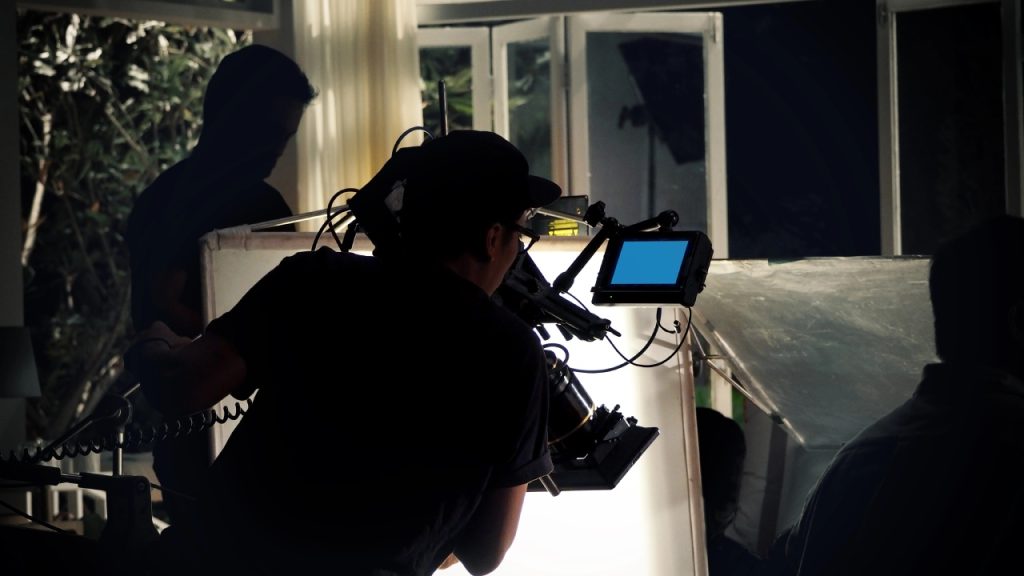
Camera Support and Stabilization Equipment
Camera movement has a direct impact on how a scene feels. Stabilization tools ensure that motion enhances the story rather than distracting from it.
Tripods and Monopods
Tripods provide stability and precision, making them essential for interviews, dialogue scenes, and controlled compositions. They allow consistent framing and repeatable movements.
Monopods offer added mobility while still reducing fatigue and shake, making them ideal for fast-paced shoots.
Gimbals and Stabilizers
Gimbals enable smooth, flowing camera movement even while walking or running. They allow filmmakers to follow characters naturally through environments, creating immersive, dynamic shots.
These tools help viewers feel like participants in the story rather than distant observers.
Sliders, Dollies, and Cranes
Subtle camera movement adds visual interest and depth. Sliders create gentle motion, dollies add forward momentum, and cranes introduce dramatic vertical movement.
Used effectively, these tools guide the audience’s attention and enhance storytelling without calling attention to themselves.
Lighting Equipment in Modern Film Production
Lighting is one of the most powerful storytelling tools in filmmaking. It defines mood, shapes faces, and directs focus within the frame.
Without proper lighting, even the most advanced camera cannot produce cinematic results.
LED Lighting Systems
LED lights dominate modern film sets because they are efficient, versatile, and easy to control. Filmmakers can adjust brightness and color temperature instantly, adapting to changing conditions without slowing down production.
Tungsten and HMI Lights
Tungsten lights provide warm, natural tones for interiors, while HMI lights replicate daylight and are often used outdoors or to simulate sunlight indoors.
Light Modifiers and Accessories
Light modifiers shape and soften light. Softboxes, flags, and reflectors allow filmmakers to control contrast and texture, transforming harsh light into flattering illumination.
Sound Equipment: Capturing Crystal-Clear Audio
Sound plays a critical role in immersion. Even visually stunning footage can feel unprofessional if the audio is poor.
Shotgun Microphones
Shotgun microphones are highly directional, making them ideal for capturing dialogue while minimizing background noise.
Lavalier Microphones
Lavalier microphones provide consistent audio capture and are especially useful when actors move freely during scenes.
Field Recorders and Audio Mixers
Field recorders capture high-quality sound and allow professionals to monitor audio in real time.
Production Design and Set Equipment
Every visual element on screen contributes to storytelling, whether consciously noticed or not.
Props and Set Dressing
Props and set dressing add authenticity and context, grounding the story in a believable world.
Green Screens and Virtual Sets
Green screens allow filmmakers to create environments that would otherwise be impossible or impractical.
On-Set Monitoring and Video Assist
Immediate visual feedback keeps productions efficient and creatively aligned.
External Monitors
External monitors allow accurate evaluation of framing, exposure, and focus.
Wireless Video Transmission
Wireless systems improve collaboration by allowing multiple crew members to view footage live.
Post-Production Equipment and Software
Post-production is where the film truly takes shape.
Editing Workstations
High-performance systems handle large files and complex timelines without slowing creativity.
Color Grading Tools
Color grading refines mood, consistency, and emotional impact.
Sound Editing and Mixing Systems
Layered sound design enhances realism and emotional depth.
Data Management and Storage
Reliable data handling is essential for modern filmmaking.
Memory Cards and Media
High-speed media ensures footage is captured safely and efficiently.
Backup Systems
Multiple backups protect footage from loss or corruption.
Safety and Power Equipment
Professional productions prioritize safety and operational reliability.
Power Distribution
Generators and battery systems ensure uninterrupted power on set.
On-Set Safety Gear
Safety equipment protects cast, crew, and gear throughout production.
Why Professional Equipment Matters for Quality Productions
Professional equipment improves consistency, efficiency, and creative freedom, allowing filmmakers to focus on storytelling rather than technical limitations.
UTurn Productions: Professional Film Equipment in Shiloh Lake Estates
At UTurn Productions, modern film production is powered by professional-grade equipment and experienced crews. Serving Shiloh Lake Estates, UTurn Productions combines advanced technology with creative expertise to deliver polished, cinematic results for commercial and narrative projects.
UTurn Productions Serving the Shiloh Lake Estates Community and Beyond in Sugar Land
UTurn Productions is dedicated to serving the diverse needs of the local community of Sugar Land, including individuals residing in neighborhoods like Shiloh Lake Estates. With its convenient location near landmarks such as the Stephen F Austin High School and major intersections like Sendera Ln and Haley Hollow Rd (coordinates: 29.645330184832524, -95.68860496566236), we offer film production Sugar Land services.
Get Film Production Services at Shiloh Lake Estates Now
Navigate from Shiloh Lake Estates to UTurn Productions Now
Conclusion
Modern film production equipment is more than a collection of tools—it’s a storytelling partner. When used intentionally, these technologies transform ideas into immersive cinematic experiences that resonate long after the final frame.
FAQs
1. What equipment is essential for modern film production?
Cameras, lenses, lighting, sound equipment, and post-production tools form the foundation.
2. Is high-end equipment necessary for quality results?
Not always, but professional gear improves reliability and consistency.
3. Why is sound so important in film?
Poor audio breaks immersion faster than visual flaws.
4. What role does lighting play in storytelling?
Lighting controls mood, focus, and emotional impact.
5. Can small productions achieve cinematic quality?
Yes, with the right tools, planning, and expertise.

Stay Ahead of the Curve
or call us now at
(346) 472-5495
Related Blogs
What Makes Corporate Video Production Different From Commercial Advertising?
How A Corporate Video Production Company Develops Video Strategy
How Video Production Companies Balance Originality With Brand Recognition
Let’s Begin Sharing Your Story
Get in touch with us today to discover how U-Turn Productions can bring your vision to life.


