
How to Shoot a Documentary Video
July 27, 2025
Documentary filmmaking is one of the most powerful storytelling tools we have. It captures real people, real stories, and real impact. But how do you actually shoot a documentary video that’s honest, emotional, and watchable? Whether you’re just starting out or leveling up, this guide breaks it down.
At UTurn Productions, a trusted Documentary Videos Agency in Sugar Land, we’ve produced all kinds of documentaries—from heartwarming community profiles to professional corporate documentaries. We know what works, and we’re here to help you learn it too.
The Power of Real Stories
There’s something incredibly special about real stories. They inspire, inform, and connect people across cultures and experiences. Shooting a documentary video isn’t just about pointing a camera—it’s about uncovering truth and emotion in a way that pulls viewers in.
Whether you’re capturing a quiet moment between two strangers or following a public movement, your job as a documentarian is to bear witness. That’s what gives documentary filmmaking its lasting impact.
What Makes a Great Documentary?
1. Authenticity Above All
If there’s one rule in documentary filmmaking, it’s this: be real. Audiences can sense fake emotion or scripted lines from a mile away. Keep your subject comfortable and the environment natural.
At UTurn Productions, we believe authenticity comes from letting the camera disappear. When subjects forget they’re being filmed, the best moments happen.
2. Story Structure Still Matters
Even though you’re filming real life, a documentary still needs structure. Think in terms of beginning, middle, and end—even if those pieces evolve during filming.
A good documentary has a narrative arc. Introduce the subject or setting, show the conflict or change, and wrap up with resolution or reflection. It helps the audience emotionally invest.
3. Clear Message, Strong Voice
Know what you’re trying to say. Great documentaries have a voice, even if it’s subtle. That message guides every decision—from who you interview to what shots you include.
Are you aiming to raise awareness, educate, or spark action? That goal will shape the tone of your documentary video.
Planning Your Documentary
Planning is where the magic begins. Pre-production is essential, and skipping it can lead to a scattered, unfocused final product.
Define Your Purpose and Audience
Ask yourself:
- Why are you making this documentary?
- Who do you want to reach?
- What action or thought should your audience leave with?
Knowing your goals early keeps your documentary focused and intentional.
Research, Research, Research
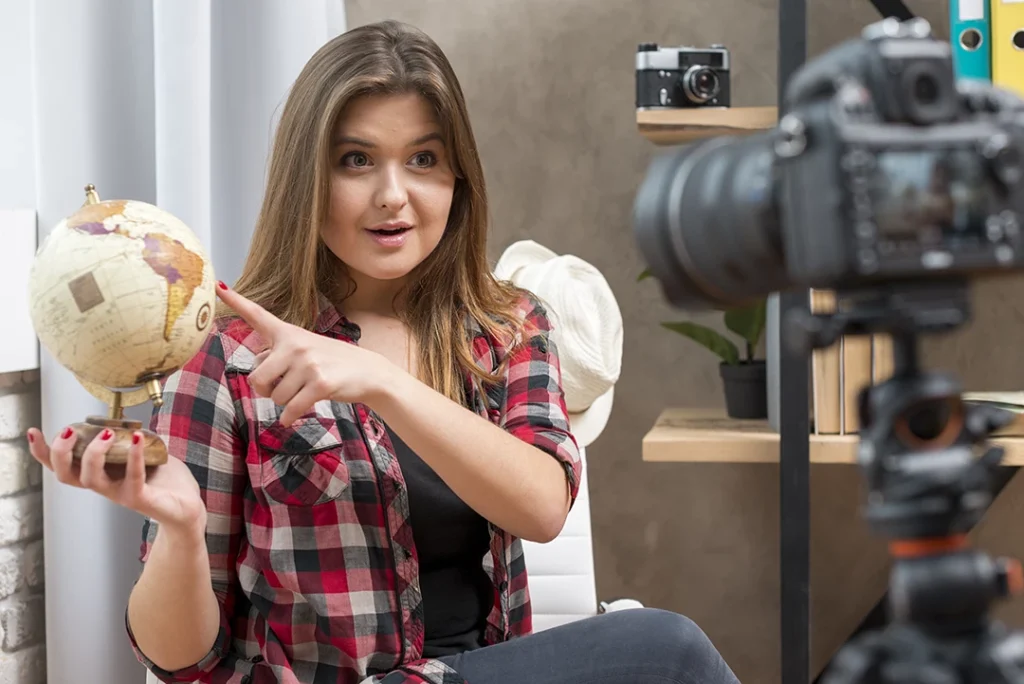
Dig deep into your subject before you ever hit “record.” Read articles, watch similar documentaries, and talk to experts. The more you know, the more insightful and respectful your footage will be.
Research also helps avoid repeating what’s already out there—bringing something fresh to the table is key in today’s crowded content space.
Outline the Narrative Arc
Sketch a rough outline of how the story might unfold. This helps guide your interviews and B-roll, even if it changes later.
Some filmmakers use storyboards or timelines; others just jot down major beats. Choose the method that helps you visualize the progression of the film.
Prepare Interview Questions
Write open-ended questions that spark conversation. Avoid yes/no answers. Let people talk freely—you can always trim later.
Example:
- Instead of “Did that make you sad?”
- Ask: “How did that experience change you?”
Let emotions naturally emerge through storytelling.
Pre-Production: Setting the Stage
Pre-production lays the groundwork for a smooth shoot and powerful storytelling.
Build Your Production Plan
This includes:
- Shot list
- Budget
- Timeline
- Crew roles
- Contact information
Even small documentary videos benefit from tight planning. The more prepared you are, the more creative freedom you’ll have on set.
Scout Locations and Get Permissions
Visit your shoot locations in advance and take test shots. Consider the lighting, sound quality, and space. Always get legal permission for every place you film—especially private property or public institutions.
As a Documentary Videos Company in Sugar Land, we’ve worked across various neighborhoods—from Telfair to Riverstone—and know firsthand the importance of proper location scouting.
Assemble Your Crew and Gear
Even a small doc needs a few key players:
- Camera operator
- Sound technician
- Assistant director or producer
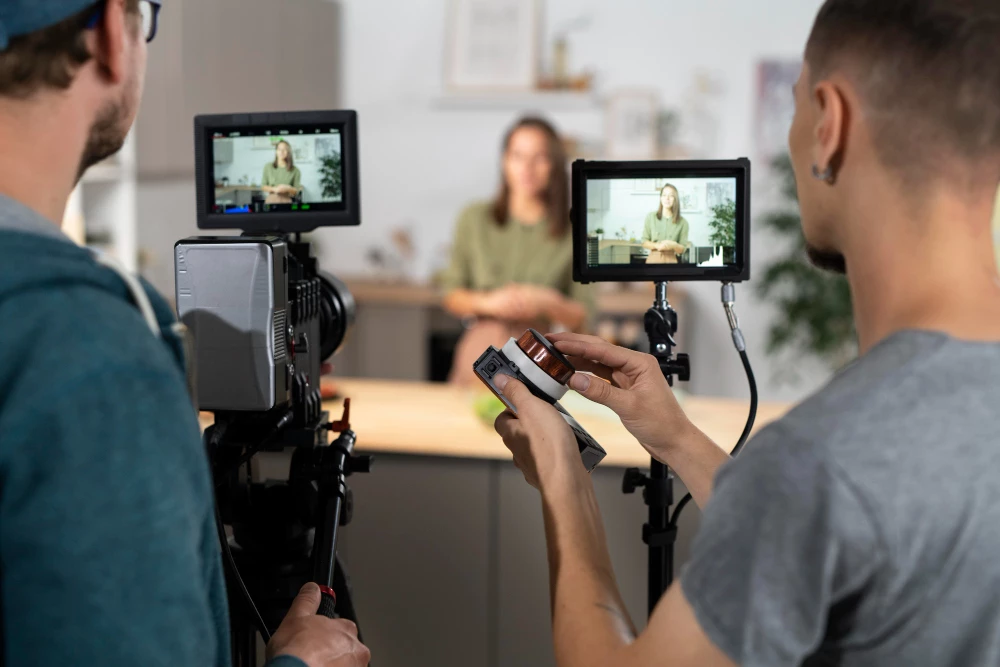
Don’t forget backup equipment, extra batteries, memory cards, gaff tape, and chargers. Technical mishaps can ruin a shoot.
Shooting the Documentary Video
Follow the Story, Not Just the Script
Real life is unpredictable. Be ready to follow surprises and let the story evolve. Some of the best moments are unplanned and cannot be scripted.
Sometimes, a background character turns into the film’s star. Stay open to shifts and trust your instincts.
Master the Interview Technique
Put your subject at ease. Make eye contact. Listen more than you speak. Keep your questions open-ended and your presence gentle.
Pro tip: Let the silence hang after a response. People often fill it with powerful, unscripted insight.
B-Roll is Your Best Friend
Capture extra footage: people working, streets, hands moving, quiet moments. This B-roll is essential in post-production. It provides transitions, emotional depth, and breathing room between interviews.
B-roll often tells the story visually without needing dialogue.
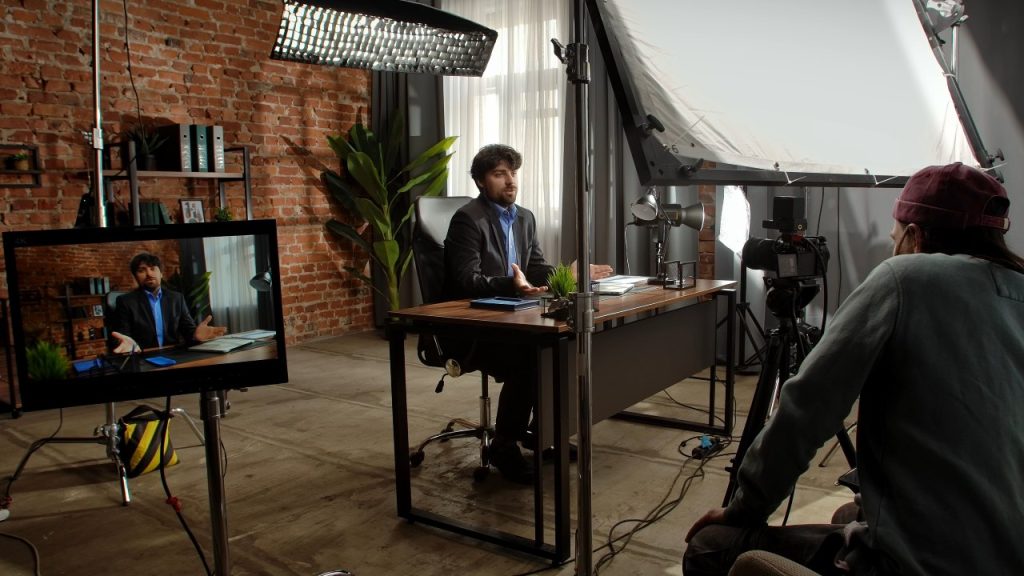
Light and Sound Matter More Than You Think
Good audio can make or break a documentary. Use a lavalier mic or shotgun mic. Wind noise, echo, and poor audio can ruin even the most emotional scene.
Natural light works well, but always carry reflectors and bounce cards to control it.
Tips from a Top Documentary Videos Agency in Pheasant Creek
UTurn Productions’ Approach to Real Stories
At UTurn Productions, we approach every story with empathy, curiosity, and professionalism. We prioritize connection over perfection—because real stories don’t need embellishment.
Whether we’re documenting a nonprofit’s impact in Pheasant Creek or a business journey in First Colony, we build trust first.
Our Favorite Gear and Tools
We love compact cameras like the Sony FX3, paired with wireless mics, LED lighting, and stabilizers for smooth footage. Drones are fantastic for wide establishing shots, especially when capturing landscapes or neighborhood transitions.
We also rely on cloud backups and portable hard drives to protect raw footage—every frame counts.
How We Work With Clients in Sugar Land
From Oak Lake Estates to Sugar Creek, we collaborate with local clients to create meaningful documentaries. Whether it’s community history, school projects, healthcare narratives, or corporate branding, our goal remains the same: tell the story truthfully and beautifully.
Post-Production: Where the Story Comes Together
Logging and Organizing Your Footage
Start by naming and organizing all clips. Label interviews, B-roll, voiceovers, and photos. Use folders by shoot day or topic.
Good file management saves hours in the edit bay and reduces mistakes.
Editing for Emotion and Clarity
Cut the fluff. Focus on moments of emotion, insight, or transformation. Your editing should honor the truth while crafting a compelling arc.
Use pacing to your advantage—slow down at emotional beats and pick up during action.
Music, Sound Effects, and Voiceovers
Add emotion with music—but don’t overpower your subjects. Choose music that complements, not competes. Sound effects should be minimal and tasteful.
Use voiceovers only when they add clarity or context. Let the story shine through visuals and dialogue first.
Color Grading and Polish
Color grading helps create a consistent tone and enhances the visual mood. Whether it’s warm and hopeful or cold and raw, your color choices can influence how the story feels.
Use software like Adobe Premiere Pro, Final Cut Pro, or DaVinci Resolve to fine-tune your footage.
Distribution and Promotion
Know Where Your Audience Lives
Is your audience on YouTube? TikTok? At local film festivals? Go where they are, not just where you want to be.
Understanding your distribution platforms helps shape your final cut. A 30-minute documentary may need a 1-minute teaser for social platforms.
Social Media and Video Platforms
Cut shorter clips for Instagram, TikTok, and Facebook. Tease your documentary to draw viewers in. Include behind-the-scenes footage, quotes, and stills.
Hashtags and geotags help expand reach—especially when showcasing local content filmed in Sugar Land.
Festivals, Press, and Partnerships
Submit to niche festivals and reach out to local press. Collaborate with groups who align with your message or subject.
Don’t overlook local newsletters, blogs, and community websites. Sometimes, your most engaged audience is closer than you think.
Common Mistakes to Avoid
Overproducing or Overediting
Don’t try to make your doc look like a Hollywood blockbuster. Simplicity and sincerity always win. Let the raw beauty of real life speak for itself.
Ignoring Legal and Ethical Considerations
Get signed release forms from everyone who appears on camera. Be clear about how the footage will be used.
Always approach subjects with sensitivity—especially when covering trauma, illness, or vulnerable communities.
Relying Too Much on Narration
Let your subjects speak for themselves. Only use narration when absolutely necessary. A personal voice is more powerful than a scripted one.
UTurn Productions Serving the Pheasant Creek Community and Beyond in Sugar Land
UTurn Productions is dedicated to serving the diverse needs of the local community of Sugar Land, including individuals residing in neighborhoods like Pheasant Creek. With its convenient location near landmarks such as Cullinan Park and major intersections like Lee Duggan Drive & Jim Davidson Drive (coordinates: 29.63086580218925, -95.65670733577923), we offer the services of a documentary videos agency Sugar Land.
Get Documentary Videos Agency Sugar Land Services at Pheasant Creek Now
Navigate from Pheasant Creek to UTurn Productions Now
Tell the Truth Beautifully
Shooting a documentary isn’t about perfection. It’s about capturing reality in a way that moves people. If you stay true to your subject and lead with heart, your documentary will stand out.
At UTurn Productions, we’re proud to help bring honest stories to life right here in Sugar Land. Want help shooting your next doc? We’ve got your back.
FAQs
1. What’s the first step in shooting a documentary?
Start with a clear purpose and audience in mind. Then move into research and planning.
2. How long does it take to film a documentary?
It varies. Some take a week, others a year. It depends on your subject, resources, and story arc.
3. Do I need professional gear to make a good documentary?
Not necessarily. You can start with a DSLR or even a smartphone if you focus on story and sound quality.
4. What kind of music should I use?
Use music that matches the mood and never overshadows the voice of your subjects.
5. Can one person shoot a documentary alone?
Yes—but it helps to have at least one other person for audio or backup support.
6. Does UTurn Productions offer documentary production services in Sugar Land?
Absolutely. We help clients from start to finish with everything from planning to post-production.

Stay Ahead of the Curve
or call us now at
(346) 472-5495
Related Blogs
What Makes Corporate Video Production Different From Commercial Advertising?
What Equipment Is Used In Modern Film Production?
How A Corporate Video Production Company Develops Video Strategy
Let’s Begin Sharing Your Story
Get in touch with us today to discover how U-Turn Productions can bring your vision to life.


